
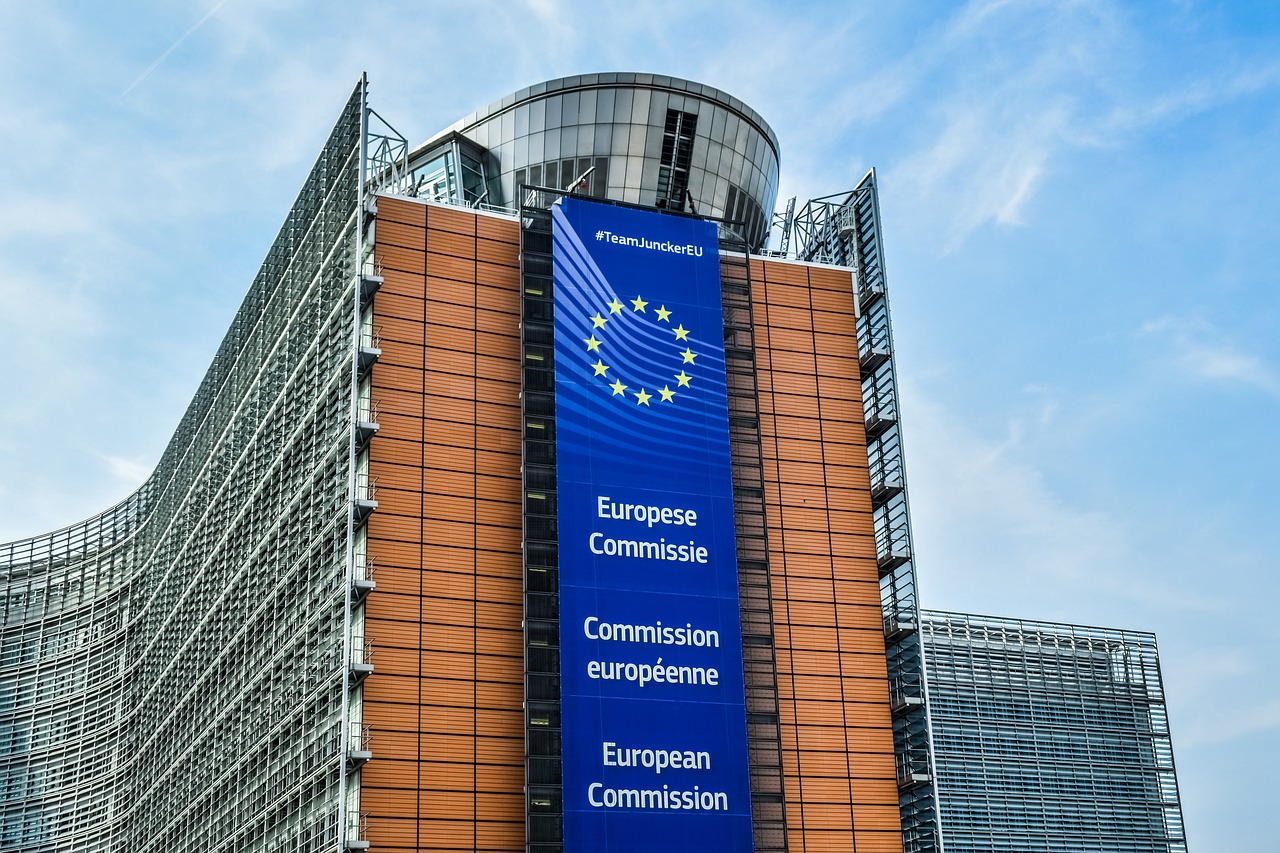
The European Union and the United Kingdom have imposed numerous sanctions over the years as a tool of foreign policy and national security. Navigating these sanctions requires a thorough understanding of the legal landscape and proactive measures for compliance. This article delves into the EU & UK Sanctions Defense, examining the strategies, implications, and legal frameworks involved.
Introduction to Sanctions
Sanctions are often utilized as a means to promote international peace and security. They can take various forms, such as trade embargoes, asset freezes, travel bans, and other restrictive measures. The EU and the UK have established comprehensive sanctions regimes, which may be targeted at specific countries, individuals, or entities suspected of activities contrary to international norms.
Understanding the Legal Framework
The legal frameworks governing sanctions in the EU and UK are complex and can change rapidly in response to geopolitical developments. In the EU, sanctions are primarily governed by Council Regulations, which are directly applicable in member states, and decisions adopted by the Council of the EU. In the UK, the Sanctions and Anti-Money Laundering Act 2018 (SAMLA) provides the foundation for the imposition of sanctions, which is supplemented by secondary legislation.
Types of Sanctions
Sanctions can be broadly categorized into several types, each with distinct regulatory implications:
- Economic Sanctions: These include restrictions on trade, investment, and financial transactions.
- Military Sanctions: Embargoes on arms and military-related goods.
- Travel Bans: Restrictions on the passage of individuals within EU and UK territories.
- Asset Freezes: Prohibitions on dealing with the assets of designated individuals or entities.
The Importance of Compliance
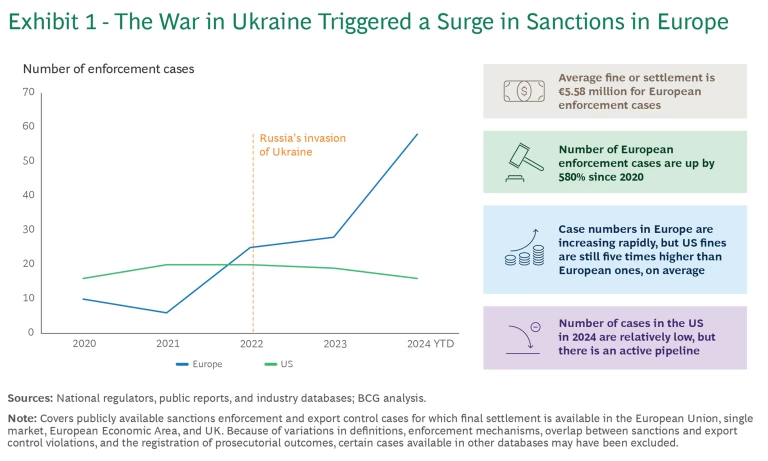
Compliance with EU and UK sanctions is crucial for both companies and individuals. Failure to adhere can lead to severe repercussions, including hefty fines, reputational damage, and even criminal charges. Organizations must implement robust compliance programs that encompass training, monitoring, and response strategies to address potential sanction violations.
இலவச பங்கு சந்தை பயிற்சி பெற கீழே உள்ள Demat Account Open செய்யவும்👇



Key Compliance Measures
To ensure compliance, businesses should consider the following measures:
- Conduct Risk Assessments: Regularly assess the potential risks associated with sanctions in the context of your operations.
- Screening Processes: Implement comprehensive screening processes for customers, suppliers, and other partners to identify any potential sanctions exposure.
- Employee Training: Educate employees about the implications of sanctions and the importance of compliance.
- Consult Legal Expertise: Engage legal counsel specializing in sanctions law for advice and to navigate complex legal obligations.
Defenses Against Sanctions Violations
In cases of alleged sanctions violations, there are several potential defenses that individuals and businesses may raise:
- Unawareness of Sanctions: Demonstrating a lack of knowledge regarding the specific sanctions that were allegedly violated can serve as a defense, although this can be difficult to prove.
- Compliance Measures: Showing that reasonable compliance measures were in place can mitigate penalties or liability.
- Legal Ambiguity: If the sanctions are ambiguous, this can be a valid defense in some cases, arguing that it was not clear whether the action constituted a violation.
Impact on International Trade
The imposition of sanctions can significantly impact international trade. Countries, businesses, and financial institutions must continuously monitor the evolving sanctions landscape to mitigate risks associated with potential violations. For engaged parties, this can mean the difference between lucrative business opportunities and costly penalties.
Recent Trends in EU & UK Sanctions
The nature of sanctions is continuously evolving due to geopolitical changes. Recent trends indicate a growing emphasis on sanctions related to cybersecurity threats, human rights violations, and climate-related issues. The EU and UK are likely to expand their regulations to address these new challenges, necessitating constant vigilance from businesses and legal practitioners.
Conclusion
In conclusion, understanding EU and UK sanctions defense is essential for any entity operating within or with these jurisdictions. The complexity of sanctions regulations, coupled with the high stakes involved, underscores the importance of proactive compliance measures and informed legal strategies. Engaging with experienced legal counsel can provide businesses with the necessary tools to navigate this challenging legal landscape and defend against potential violations effectively.